
Noelle Thielman, Ph.D.
About Noelle Thielman, Ph.D.

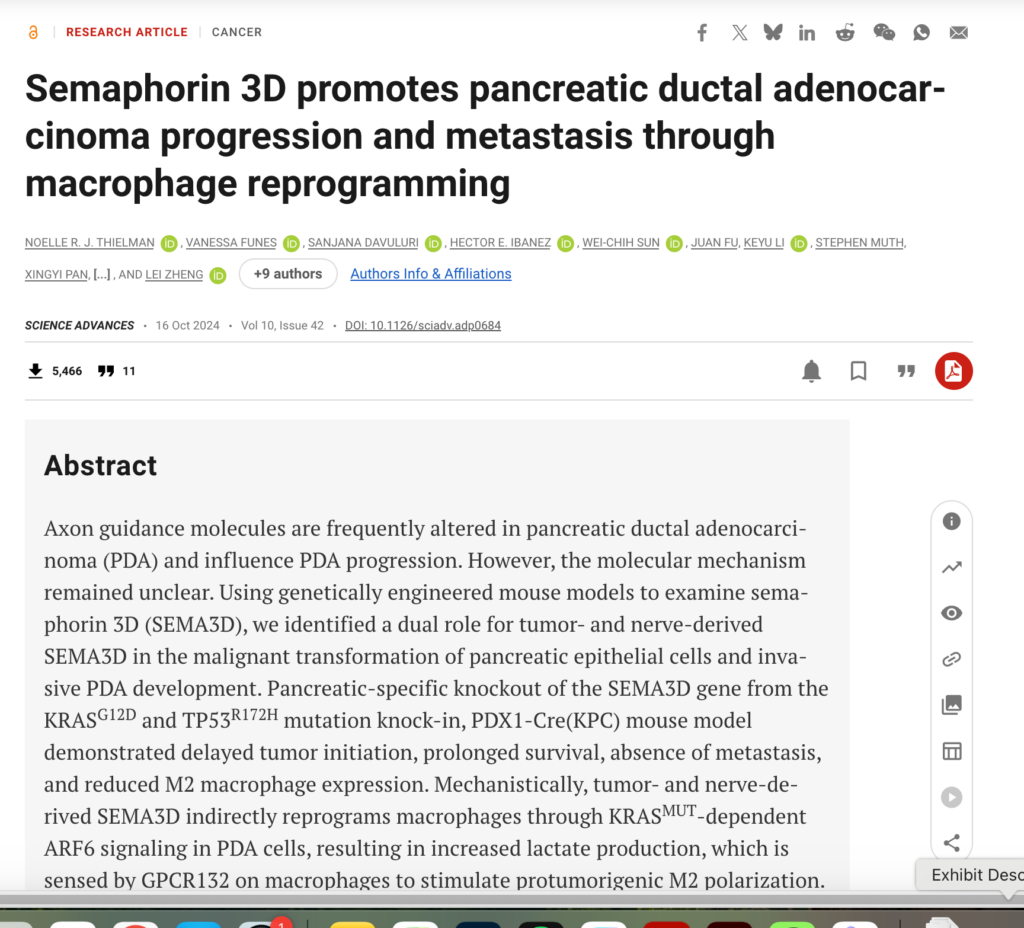
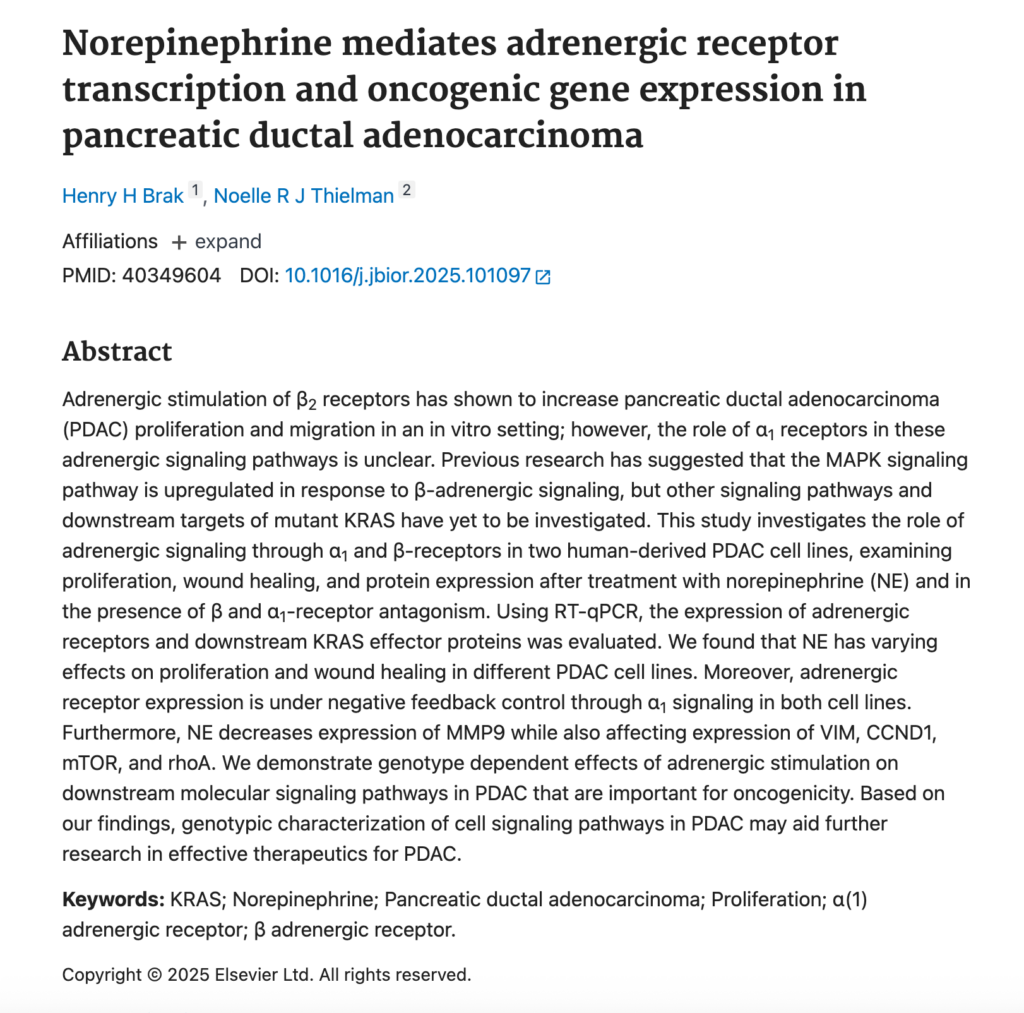
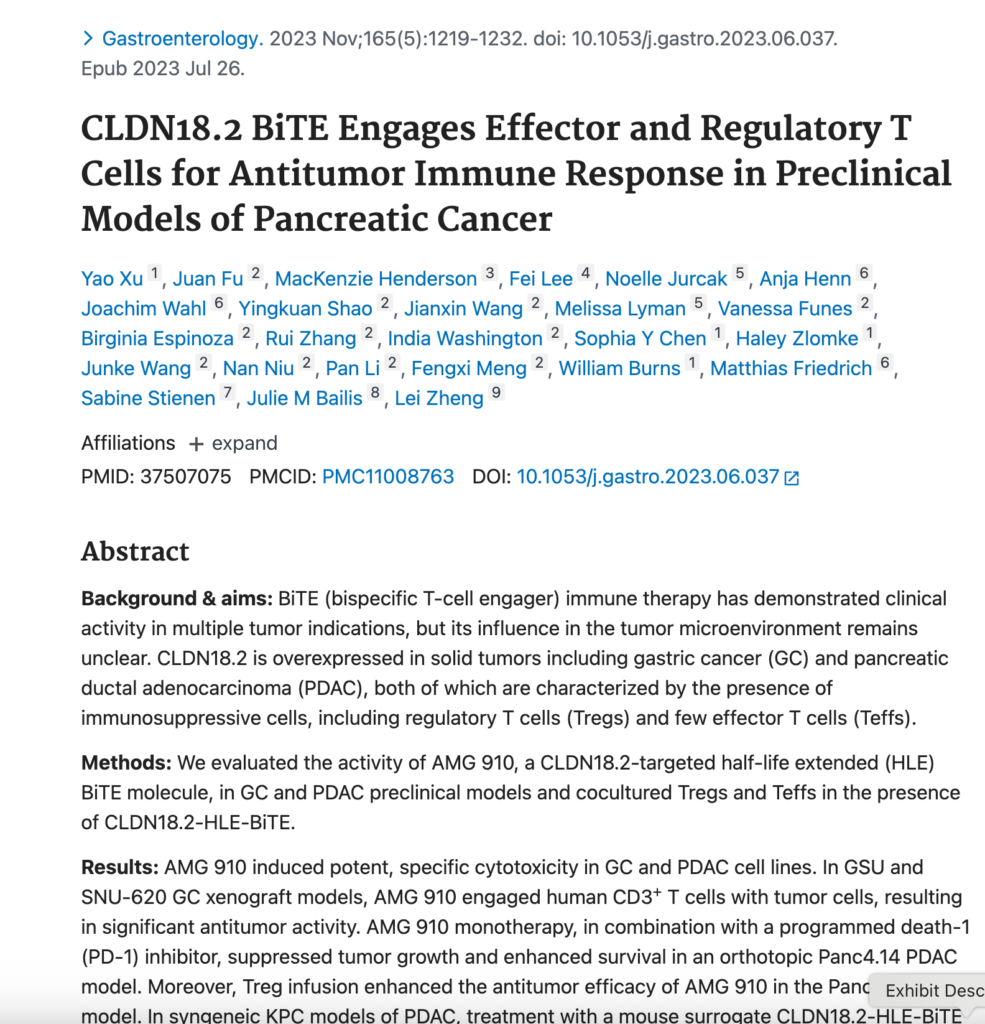
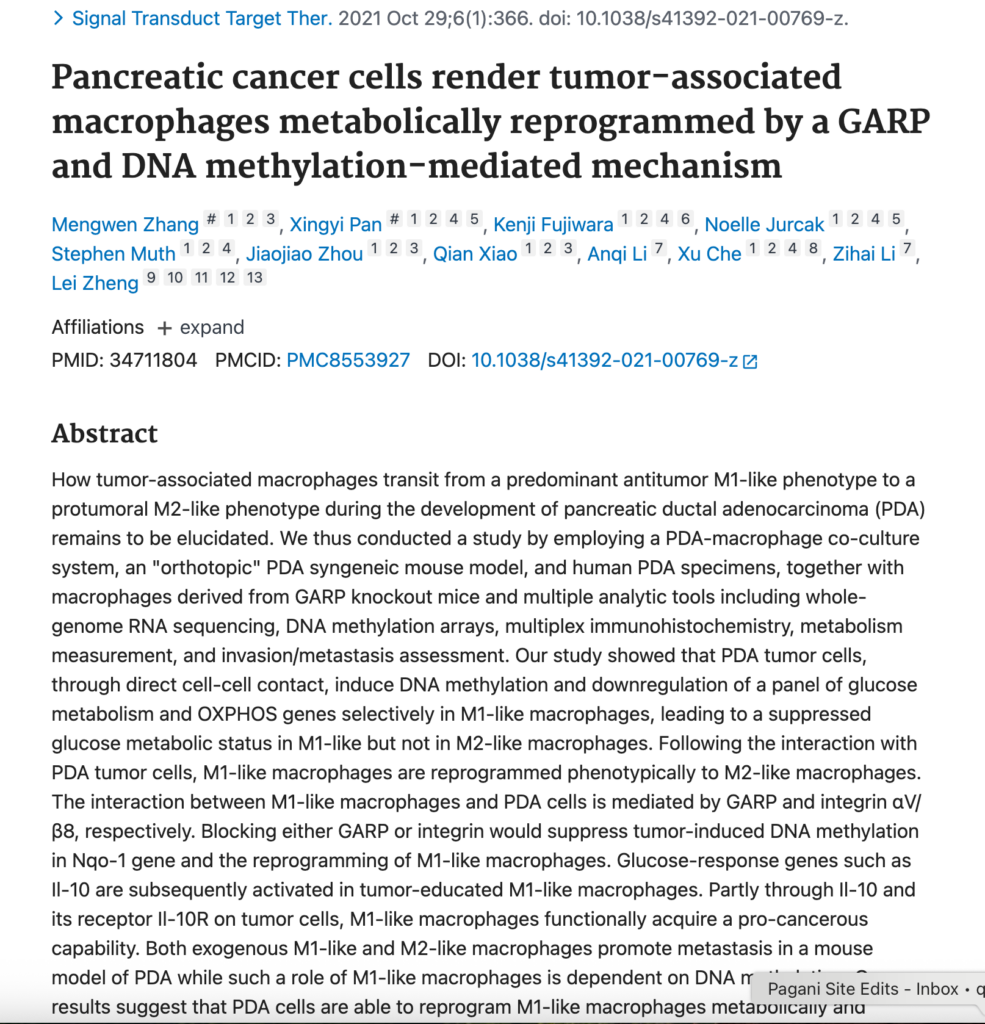
Dr. Thielman completed her Bachelor of Science in Biochemistry at Edinboro University and her doctorate at Johns Hopkins University, School of Medicine in the Cellular and Molecular Medicine program. She also completed post-doctoral training at Johns Hopkins University, School of Medicine. During her doctorate and post-doctoral research, Dr. Thielman examined the tumor microenvironment in pancreatic ductal adenocarcinoma specifically focusing on secreted axon guidance molecules and their role in neuronal and immune cell function relating to tumor progression. In addition, Dr. Thielman studied bispecific T cell engager molecules in combination with different immunotherapies to enhance immune cell activation against cancerous cells. Her work examines the immune cell function and signaling in the pancreatic cancer microenvironment. She has also collaborated on research involving the role of selenocysteines in regulating inflammatory reactions in colorectal tumorigenesis and the role of catecholamines in tumor progression and metastasis. Currently Dr. Thielman is an Associate Professor of Microbiology and Immunology in the Preclinical Education Department at LECOM.
Research Interests
Dr. Thielman’s research focuses on the molecular and cellular mechanisms that regulate tumor progression within the tumor microenvironment of human pancreatic ductal adenocarcinoma (PDAC). Her laboratory utilizes human pancreatic cancer cell culture systems to investigate how signaling interactions between tumor cells and surrounding stromal, immune, and microbial components influence cancer cell behavior. Particular emphasis is placed on understanding how the tumor microenvironment promotes immune evasion and supports tumor growth.
Current projects in the laboratory examine how secreted factors, including cytokines, catecholamines, growth factors, and metabolites, mediate communication between pancreatic cancer cells and other cellular components of the tumor microenvironment. Using in vitro models, Dr. Thielman and her students study how these signaling molecules alter tumor cell proliferation, differentiation, metabolic activity, and intracellular signaling pathways. These studies aim to better understand how dysregulated signaling networks contribute to tumor progression and resistance to therapy.
Student researchers in Dr. Thielman’s laboratory play an active role in these investigations by performing experiments that analyze signaling pathway activation, gene expression changes, and functional cellular responses to microenvironmental stimuli. Through these projects, students gain hands-on experience with cell culture techniques, molecular assays, and experimental design and analysis while contributing to ongoing efforts to better characterize the complex signaling networks that regulate pancreatic tumor biology.
In addition to her work in pancreatic cancer biology, Dr. Thielman collaborates on interdisciplinary research projects examining the potential therapeutic effects of essential oil compounds on human papillomavirus containing keratinocytes. Dr. Thielman is also involved in collaborative research related to osteopathic medical education and wellness.
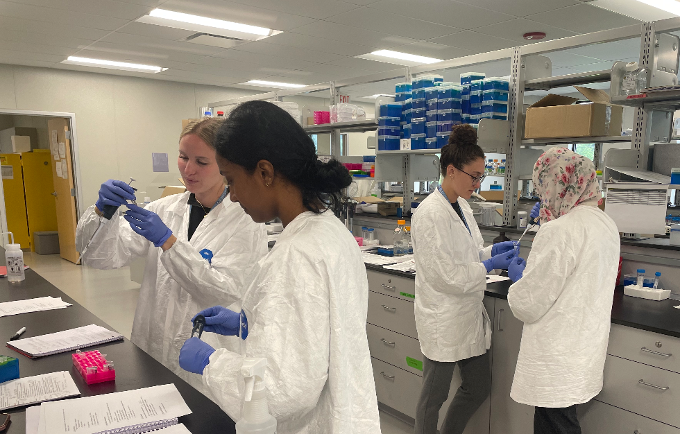
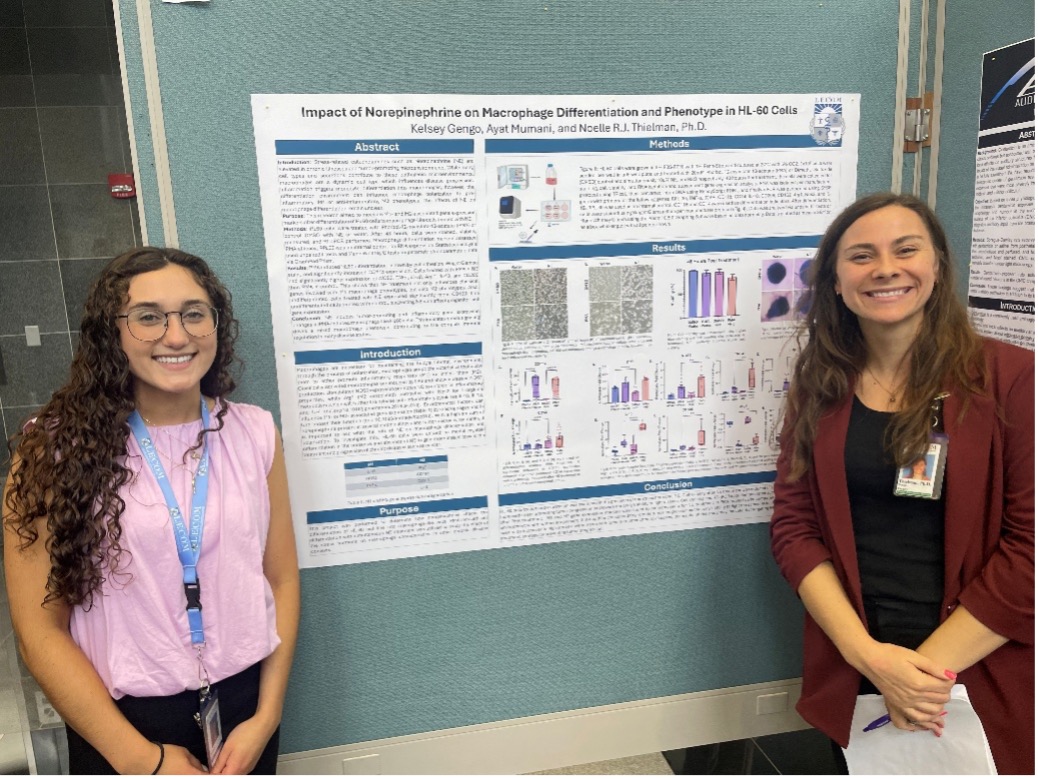
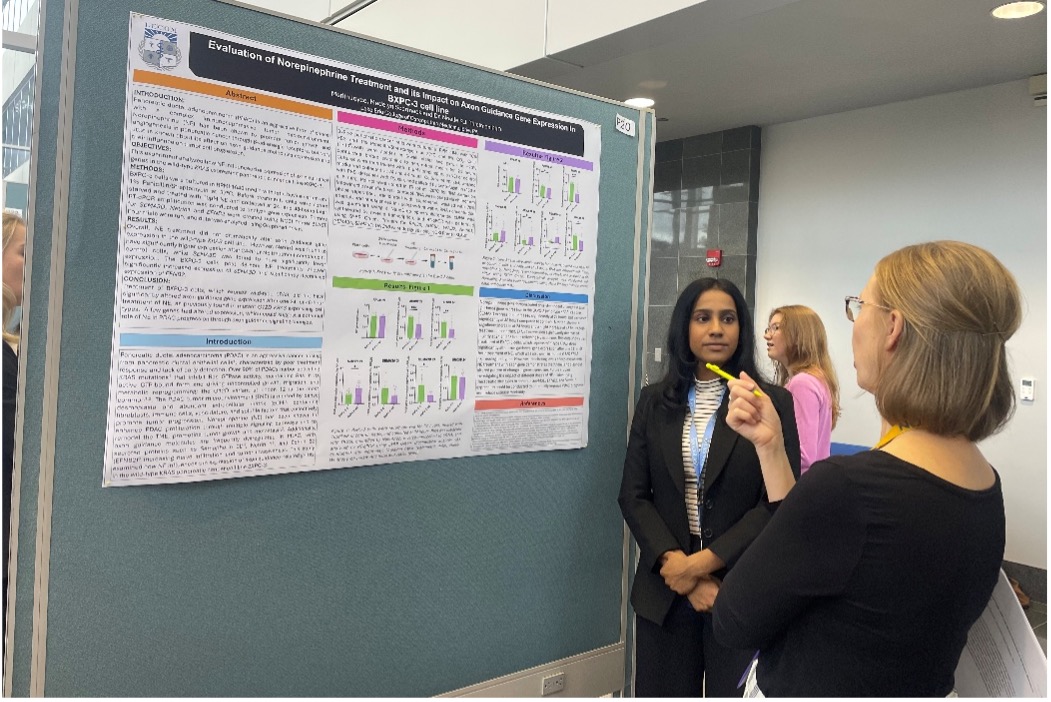
Photos display summer research students and students presenting their research at LECOM Interprofessional Research Day.
The Latest Publications from Dr. Noelle Thielman
PubMed-indexed Publications
Google Scholar-indexed Publications